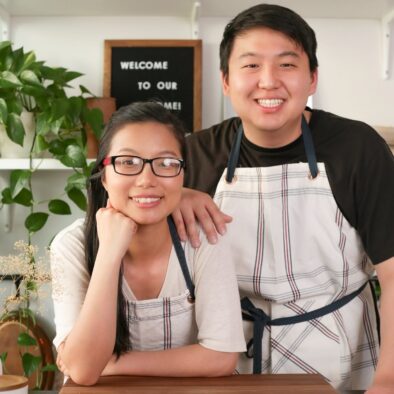
Mei Liu and Kyong Han of Two Plaid Aprons built their debut book around a table with a fork and chopsticks side by side. Their Sichuan steak au poivre shows why.
Sichuan peppercorns are famous for making your mouth buzz, and Kyong Han’s fix is a stick of butter. That move sits at the center of the steak au poivre in the Fork & Chopsticks cookbook, the debut from married duo Mei Liu and Han, who run the food blog and Instagram account Two Plaid Aprons. The book came out Nov. 3. In an interview with JoySauce, they explained how a French bistro classic ended up with a Sichuan accent.
A table with both tools on it
The title is literal. At the Dallas couple’s dinner table, a fork sits right beside the chopsticks. Han says people tend to assume Asian food is always eaten with chopsticks, which isn’t how it works at his family’s table. “We’d usually have a fork, chopsticks, and a spoon,” he told JoySauce. Different dishes call for different utensils, and some can be eaten with all three.
That is the book’s whole premise. Liu’s side brings Chinese flavors and a childhood spent in her parents’ restaurant. Han’s brings the Korean home cooking he grew up on. Their Southern upbringing runs through the middle. Hence shrimp and grits, a carbonara, and the steak au poivre, all of which stand as examples of the book’s fusion spirit. Han describes the food as “a melting pot of our heritage, our experiences, and the foods we’ve enjoyed along the way.”
Two different kitchens, one table
Their starting points couldn’t be more different. Liu was carrying dishes to customers’ tables at 5 or 6 and helping with frying by about 9. The schedule was school, restaurant, repeat, holidays included. She swore she’d never work in food. Then, in high school, she found baking, and a love of recipes as a framework, which suits someone who calls herself a math and science person. She also found that she liked making people happy with food.
Han grew up with parents who ran a dry-cleaning business. His mother came home and pulled dinner together fast, while his grandparents, who lived with the family, made stews, bone broths and kimchi. He’d planned to be an architect until a high school culinary program changed his mind. His parents wanted a stable profession for him and weren’t thrilled. His first cookbook purchase was Thomas Keller’s The French Laundry. The two met while working in restaurants after culinary school.
Han also said he wishes he had learned more of his grandparents’ recipes before his grandmother passed away. It’s a feeling plenty of diaspora cooks will recognize, and part of what a book like this does is pin down the dishes before they drift.
The peppercorn problem, solved
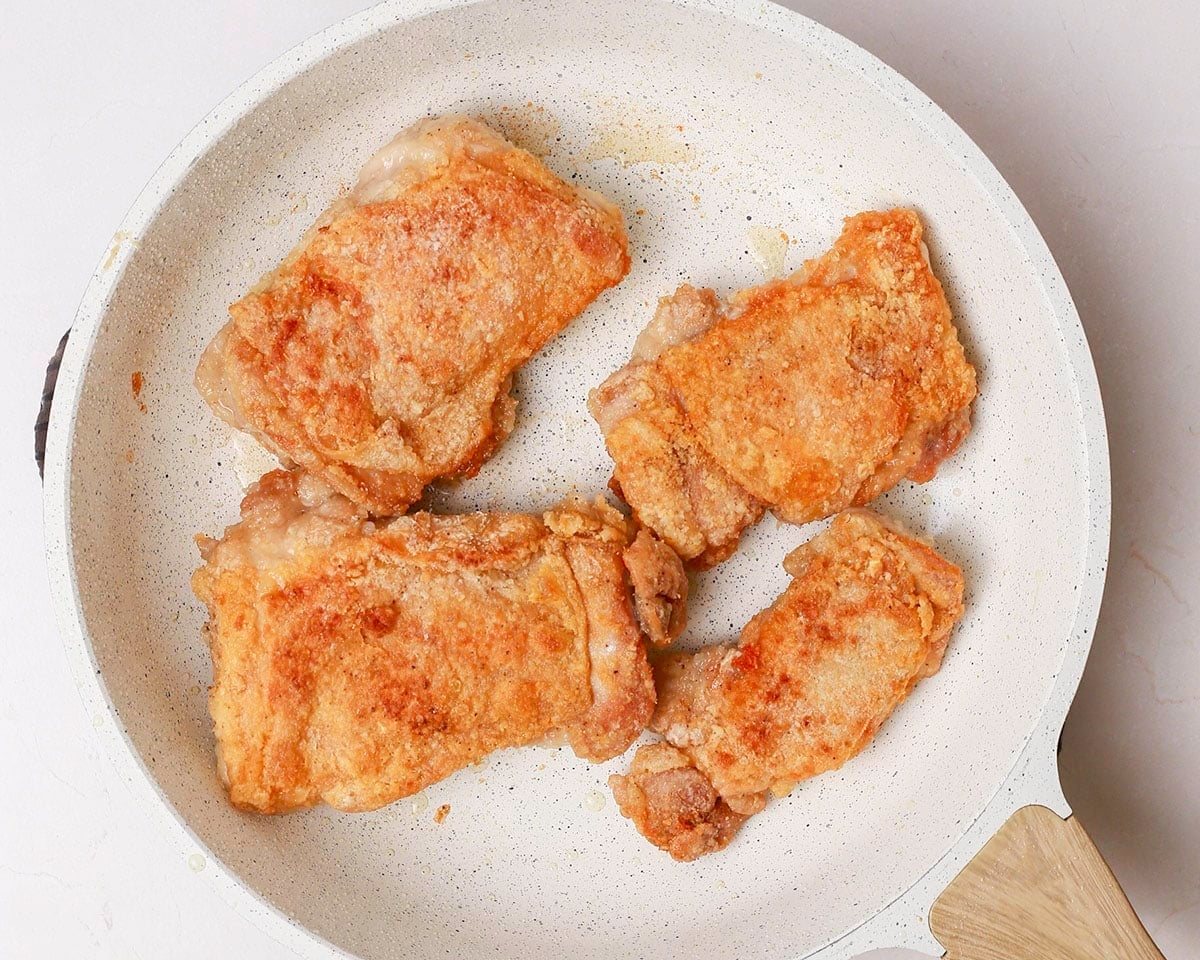
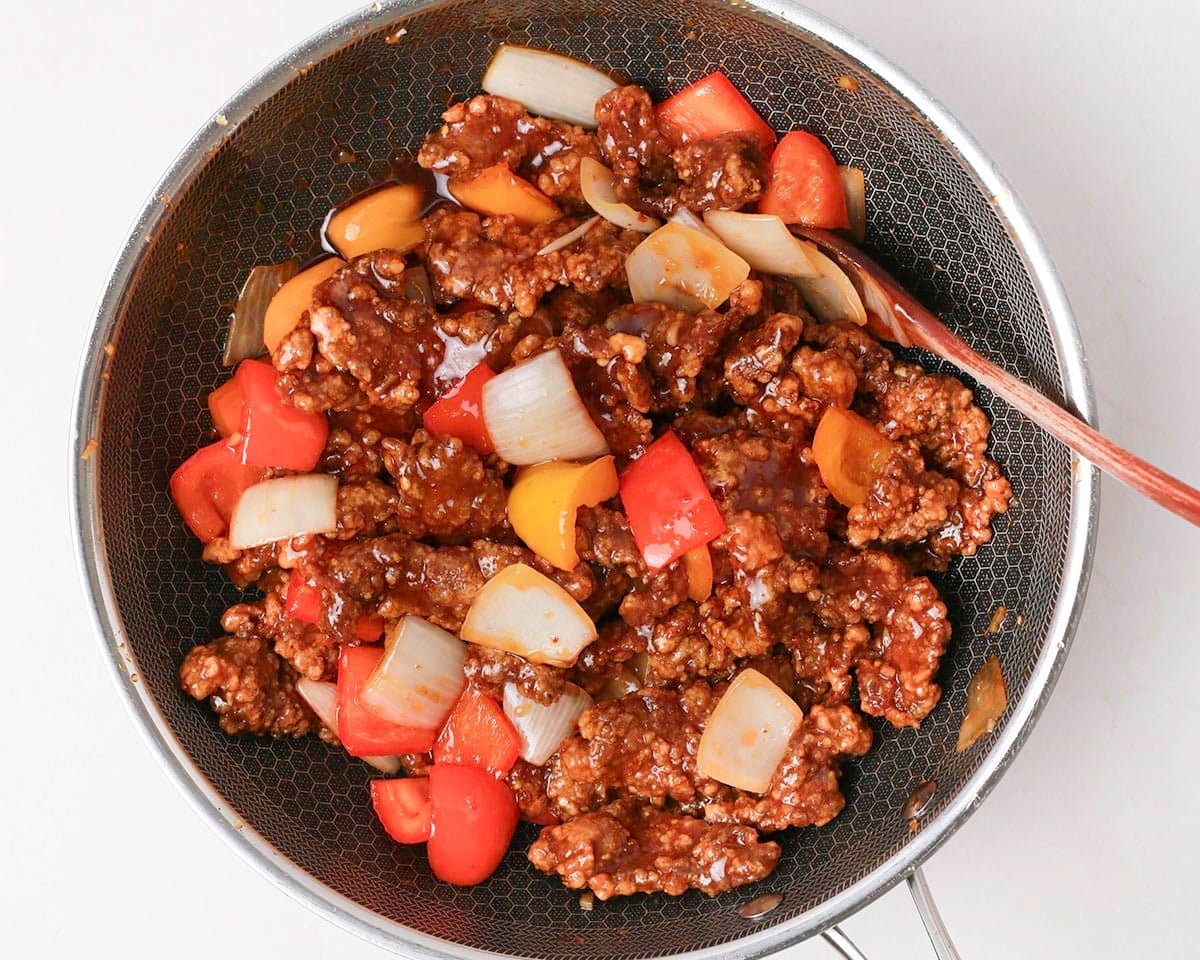
Back to the steak. Han names it as his favorite recipe in the book, calling it “a playful take on the classic dish.” Classic steak au poivre leans on cracked black pepper. Here, Sichuan peppercorns take that role. Han knows some cooks hesitate over the numbing sensation. “Cooking them with butter mellows that effect and brings the sauce together beautifully,” he said.
His broader method explains the choice. He likes combining flavors that seem unusual at first, especially when one ingredient can balance another and make the whole thing easier to approach. Other recipes begin at a restaurant, when the pair taste something and start working out how to make it at home. They then adapt it for home cooks, using ingredients people may already own instead of asking them to stock a new pantry. Some come from experiments with whatever’s in the refrigerator.
Quality control, bakery-style
The couple’s standards are specific. The osmanthus honey ice cream went through five rounds of testing. The scallion pork sung loaf had to beat the one at the local Chinese bakery, or it wouldn’t make the book. Liu says pork sung was part of her morning routine growing up, and she wanted it in a bread. Han set the bar by challenging her to make something better than what people can easily buy. Liu says she’s proudest of the baking section.
The rest of the book’s range is easy to glimpse in the photographs. Pan-seared snapper with persimmon pomegranate salsa, Hainanese-style chicken claypot, Korean sausage bread, and creamy Thai curry shrimp noodles all appear. Liu and Han shot every image themselves at their dining table, working late-night shifts during two weeks of recipe testing.
The project began as a way to answer friends and family who kept asking the couple for cooking advice. Videos on Instagram and TikTok went viral about six months in, and readers started asking whether they could buy the recipes in a book. Both of them collect cookbooks and have used them for inspiration since culinary school, so the answer was an easy yes. Their goal is to make Asian cooking approachable for anyone, first-timer or seasoned cook. A fork and chopsticks, side by side, is a reasonable place to start.