By Saeed Ahmad
First Class or Private Flight for a Long-Haul Trip to Asia
A long-haul trip to Asia is best planned weeks or months ahead, for many reasons but the bottom line is long haul trips typically take longer to plan. Travelers heading from the US to Tokyo, Hong Kong or Singapore at the top end of the market tend to weigh a first class seat against a private flight, and both are designed to make half a day in the air feel much more comfortable, and enjoyable.
The right answer has less to do with the cabin or aircraft and more to do with what you want to get out of your trip. The number of cities on the itinerary and the people coming along usually point toward one option or the other, and so does the time you want to land.
Two Premium Ways to Cross the Pacific
First class is the polished and well-tested choice. A suite on a long-haul flight comes with a flat bed and a proper dining menu, and it suits a traveler heading to one major city on fixed dates. For a solo business trip to Tokyo or a long weekend in Hong Kong, it’s a comfortable way to arrive rested and ready.
A private flight, on the other hand, offers both exclusivity and flexibility. Travelers who book private jet flights to Asia set the departure time and decide who’s on board, so the aircraft works around the plan. On a route as long as the Pacific crossing, the question that follows is how far that aircraft can actually fly.
Nonstop Range Has Caught Up With the Route
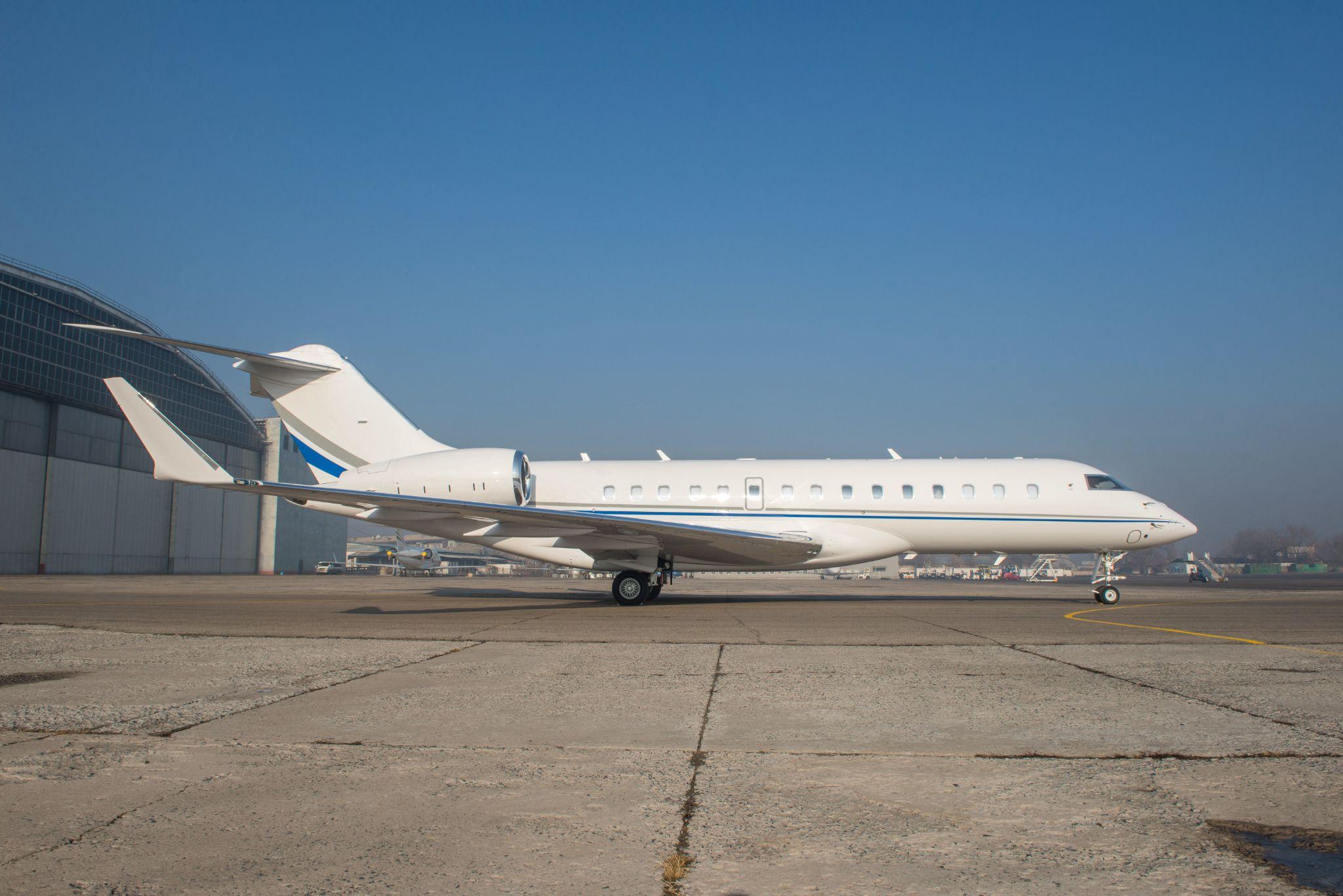
Business jets have reached a point where a single leg can link the US and Asia. Bombardier’s Global 8000 entered service in December 2025 with an 8,000-nautical-mile range and a top speed of Mach 0.95. When the manufacturer launched the jet, it named Singapore to Los Angeles among the city pairs the jet’s range made achievable, which puts Tokyo and Hong Kong comfortably within reach from the West Coast.
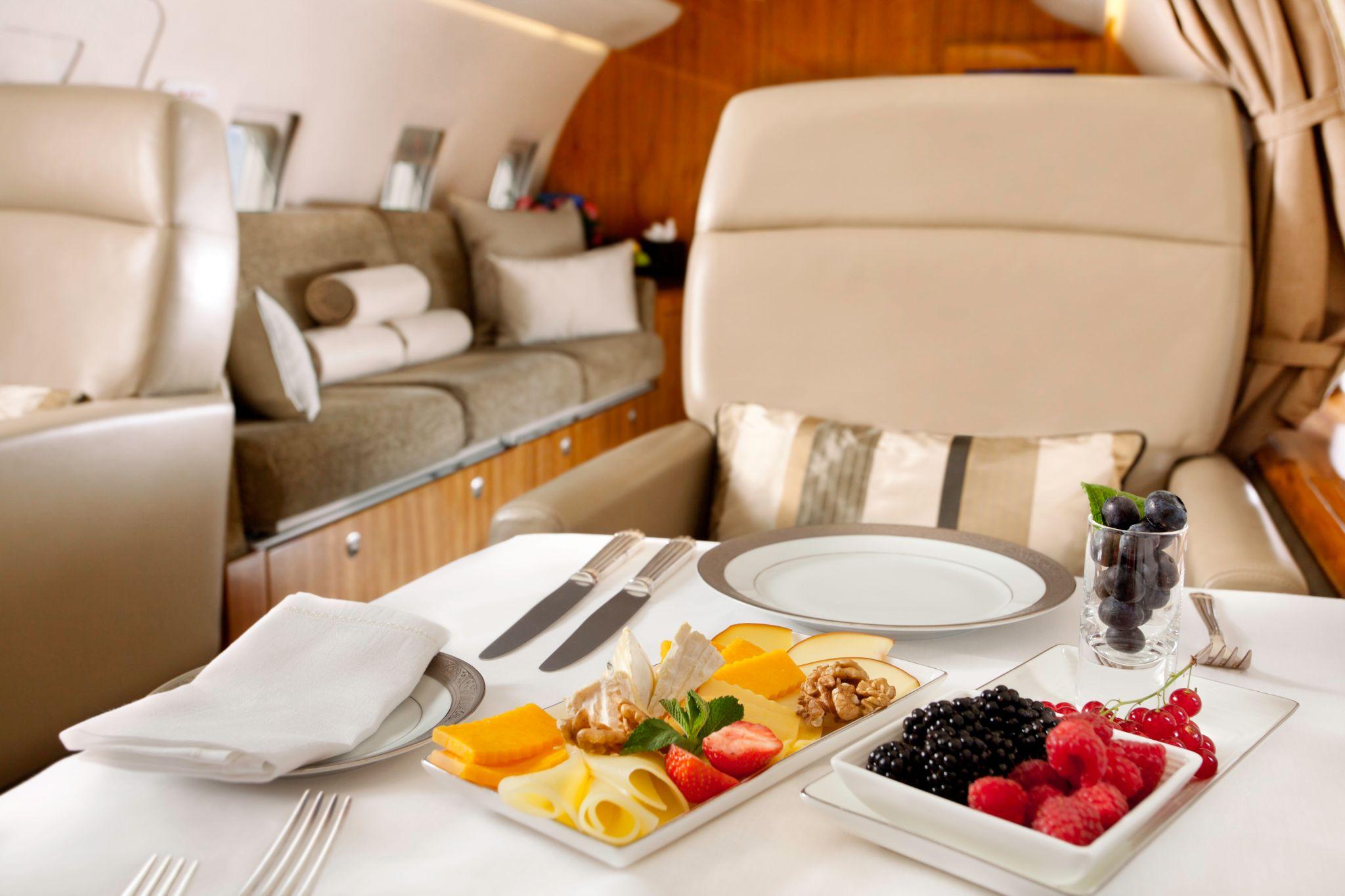
Range is only part of what makes a flight of that length pleasant. Ultra-long-range cabins are typically split into separate zones, and the Global 8000 has four living spaces. That leaves room to share a meal at a proper table and then sleep in a designated sleeping section at the back. For a family flying out to see the sights, it means everyone travels together and can effectively start their holiday in the air.
Landing in Asia on Your Own Schedule
Where and when the aircraft touches down dictates the first day of the trip. In November 2026, Tokyo Metropolitan Government officials pointed out that business jet demand at Haneda is concentrated in daylight hours, while the window from 11 p.m. to 6 a.m. is less congested. Haneda’s dedicated business aviation gate, with its own customs and immigration channel, operates 24 hours a day, so a late arrival can mean a quick transfer to the hotel, a full night’s sleep and a fresh start in Tokyo the next morning. Haneda is also the closest of Tokyo’s two international airports to the city center, which keeps the drive short.
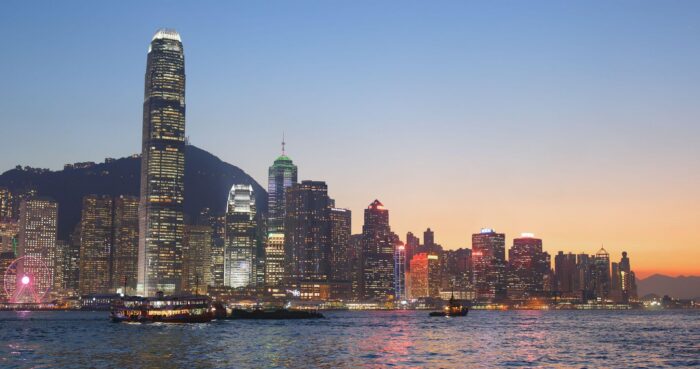
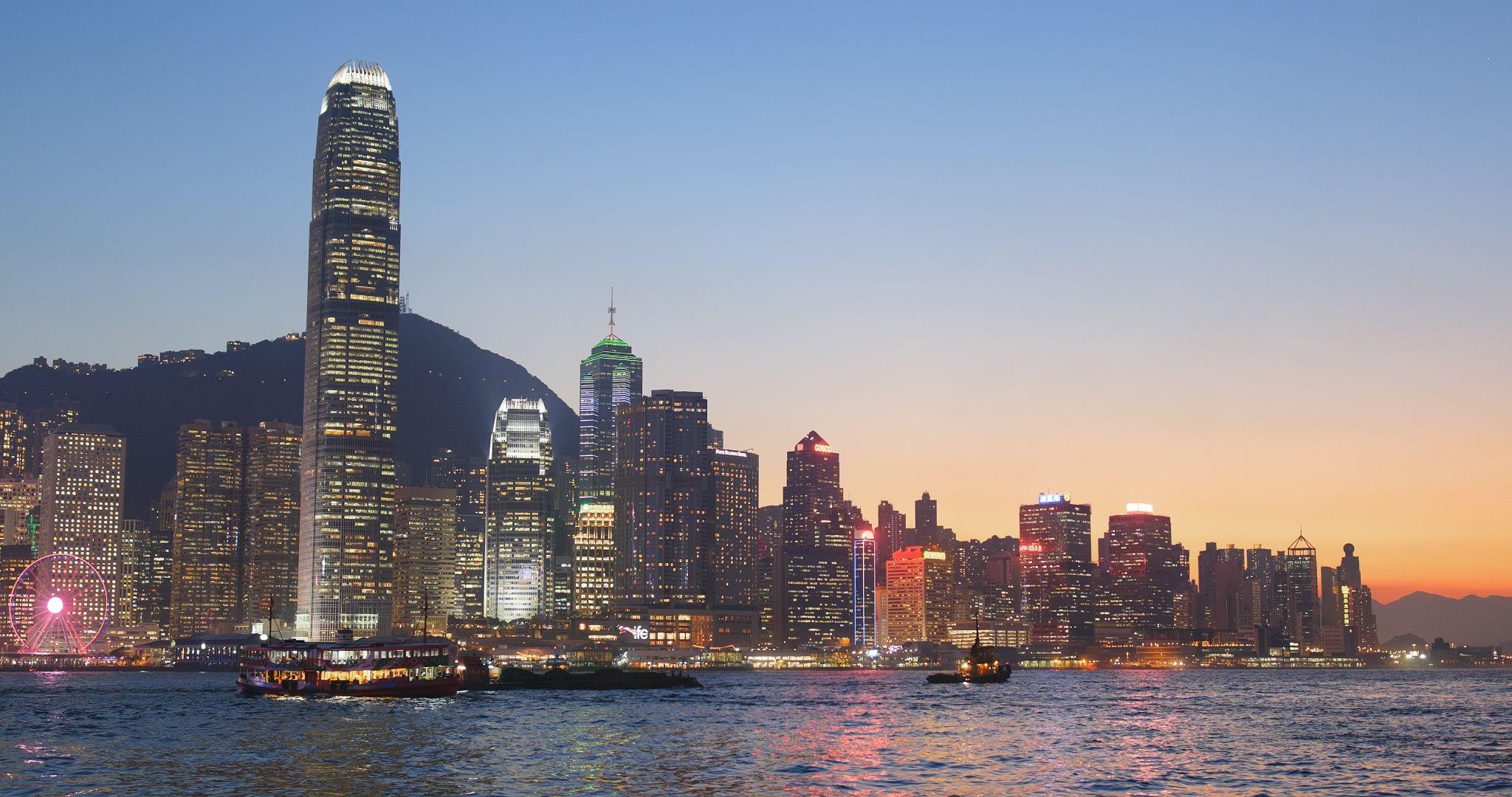
Hong Kong has invested in the same kind of welcome for business trips. Its Business Aviation Centre opened an upgraded passenger terminal in 2025 as part of a HK$500 million expansion, with customs, immigration and quarantine handled in a single streamlined process. A covered canopy links the terminal to the apron, and passengers have VIP lounges to use on arrival.
Singapore’s private flights usually use Seletar Airport, which many business aviation operators prefer and which houses a Business Aviation Centre within its passenger terminal. Having dedicated private facilities in each city is useful on a direct trip, and it becomes even more valuable once the itinerary includes more than one stop.
Built for Trips With More Than One Stop
Plenty of trips to Asia take in several cities. Lunar New Year falls on February 6, 2027, with Seollal celebrated in South Korea the following day, and for families with relatives spread across the region, the holiday can mean a reunion dinner in Hong Kong followed by a visit to grandparents in Seoul. A private aircraft links those cities on the family’s own timetable, with luggage and gifts staying on board between stops.
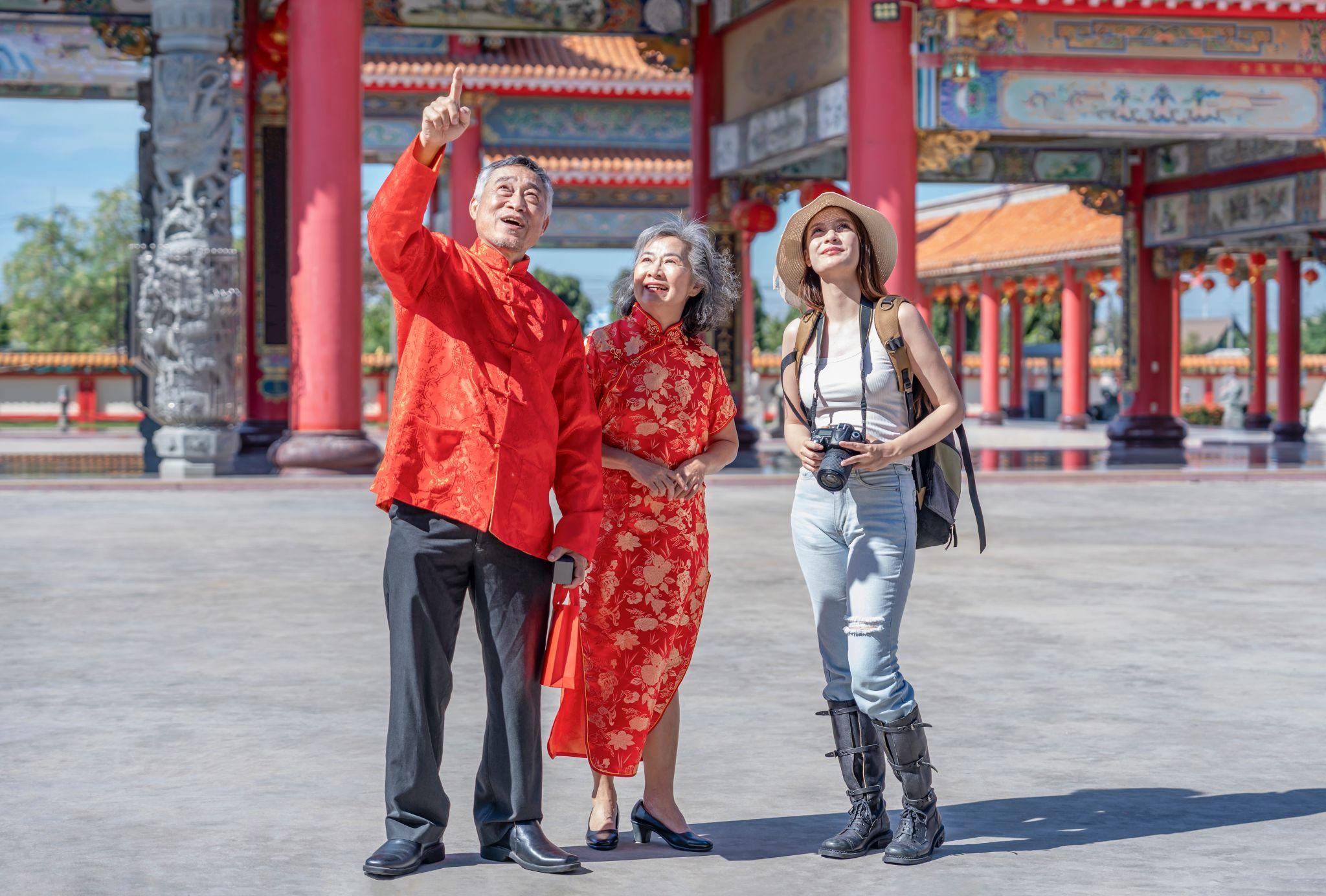
A business roadshow might cover three financial centers in four days, while a food trip could move from Tokyo’s sushi counters to Singapore’s hawker centers. Each departure can be timed around a dinner reservation or a meeting, so the schedule for the next city is set by the group. In both cases, flying privately keeps the focus on the time spent in each city rather than at the airport.
Group size is worth factoring in too. The cost of the aircraft is divided among everyone on board, so a party of six or eight weighing their options should compare the charter against the full set of premium tickets they would otherwise buy.
Choosing the Flight That Fits Your Asia Itinerary
First class remains a good and reliable choice for a solo traveler or a couple heading to a single city on set dates, with everything handled from check-in to arrival.
A private flight is the better fit when the trip involves several cities or a family traveling together, and when the arrival time matters. With ultra-long-range jets now in service and Asia’s private terminals newly upgraded, it has become a practical way to make the long journey across the Pacific part of the trip itself.