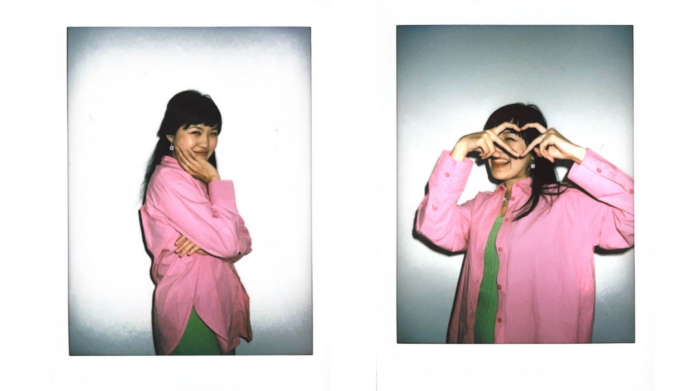
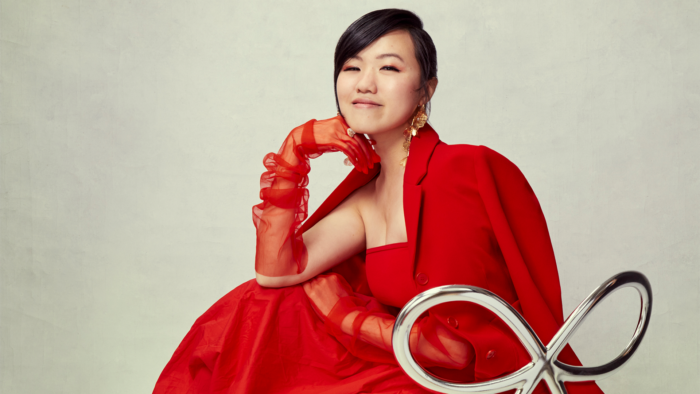
As an Emmy-winning creative leader, Rachel Effendy has built a career at the intersection of entertainment, internet culture, and storytelling. From shaping social ecosystems for global hits like Stranger Things and Bridgerton to redefining how brands engage with evolving subcultures, Effendy brings a distinctly human approach to world-building. In this conversation, Effendy shares insights on bringing authenticity to Dazed Studio and the power of embracing the multiple perspectives that exist between worlds.
Question: Having built viral social ecosystems for entertainment phenomena like Stranger Things, Bridgerton, and And Just Like That, how does your Hollywood world-building playbook translate to Dazed Studio’s brand work in the U.S.?
Rachel Effendy: World-building has become a buzzword in brand marketing, but for me it’s not a borrowed framework, it’s where I started. Building the social ecosystems around entertainment IPs meant learning firsthand how to turn a story into a world people want to live in. Bringing that sensibility to Dazed Studio means brands get more than a trend, they get to truly define and build a deeper moment for their product with us.
Q: You’ve raised the question of whether “cool” is even a useful concept anymore given how rapidly internet culture moves. How do you advise brands to cultivate long-term “brand love” rather than just chasing fleeting TikTok trends?
RE: I’d actually push back on the premise a little, it’s not that ‘cool’ has stopped being useful, it’s that its definition keeps evolving. Cool used to mean following trends. Then it became trendspotting. Now, it means trendsetting. But increasingly, I think we’re moving into a new phase: cool means being ruthlessly authentic to the human condition, and to yourself. Cultivating long term brand love means treating your brand as a living, breathing entity that grows and shifts over time, and reassessing what value or role your brand can take up in people’s lives.

Photographer: Aaron Bernstein
Q: Internet subcultures and fandoms have become the engine of modern marketing. How can brands empower youth audiences to co-create a narrative without losing creative control?
RE: Brands should reassess the notion of ‘brandbook’ altogether. We no longer need a static rulebook, but more a living decision-making tool rooted in their values, flexible enough to let them participate in culture in real time. Championing youth audiences becomes a natural extension of that: giving them a platform, a spotlight, a collaboration. When decisions are rooted in values rather than trends, brands can show up authentically and in ways that resonate with their audience, and stay true to who they are.
Q: You’ve worked with major brands like Hinge and Smirnoff to help them participate in culture. What is the secret to helping commercial clients build narrative universes that feel authentic?
RE: It starts with deeply understanding culture and where it genuinely intersects with the brand’s purpose. That’s the only foundation an authentic universe can be built on. From there, the entertainment lens is what brings it to life: it’s the difference between a brand simply having a presence in culture, and a brand creating a world people actually want to enter.
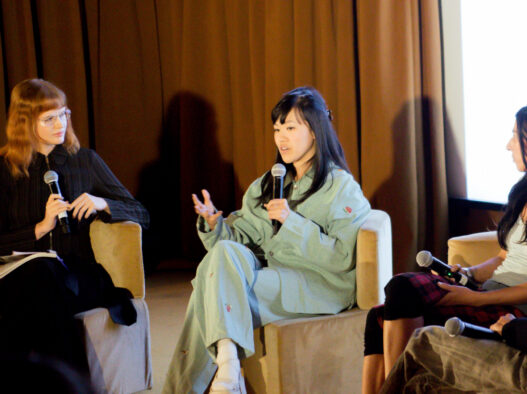
Q: Gen Z and modern subcultures spot performative marketing instantly. What is the biggest mistake legacy brands make when attempting to tap into niche internet spaces?
RE: I always think it starts from within. Hiring the right people that reflect the consumer you want to reach is critical. Usually, the inauthenticity of performative marketing stems from decisions that are made by people who are disconnected from the subculture you’re trying to engage with. In this current age of the hyper-aware consumer, those attempts would feel jarring to them.
Q: Having previously scaled a creative team from 6 to over 100 people, how do you structure teams that foster pure human curiosity and push creative boundaries?
RE: It’s important to understand your players. Most teams get built the conventional way, where people get squared into roles and job titles, and often, that’s what limits them. I put equal weight on structure and on individual strength, so that as the team grows, people aren’t just filling a function, they’re playing to their actual strengths. That’s how you get the best work: not by forcing people into a system, but by building a system around what makes them exceptional.
Q: You frequently scout non-traditional talent on platforms like TikTok rather than relying strictly on agency portfolios. What raw qualities tell you someone has the instincts to be a great brand strategist?
RE: I enjoy discovering new ideas or point of views in unexpected ways, social media gives you something rare: immediate, honest feedback on whether an idea actually resonates. But talent isn’t always quantifiable, sometimes it’s an intangible charisma, an X factor. It’s in how someone is attuned to people and the world around them, how they communicate, and how they carry an opinion. As someone who quite literally lives on the internet for a slightly alarming amount of time, I naturally gravitate toward people who have that je ne sais quoi.
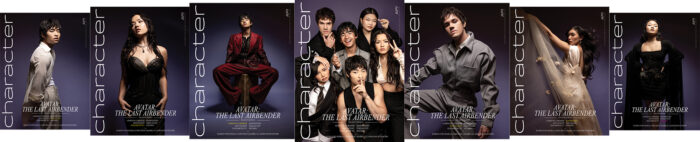
Q: Character Media spotlights AAPI leaders actively shifting the cultural narrative. As an Emmy-winning leader spanning entertainment, agency, and editorial, how has your personal background shaped your approach to creative stewardship and empowering the next generation?
RE: I grew up as a third culture kid, so I felt like I never quite belonged fully to any one place. Wherever I was, I was somewhat of an interloper: not fully of one culture, not fully of another. For a long time, that felt like something to overcome. Now I see it as my greatest asset. Not fitting neatly into one world taught me how to move between many, how to bridge people, perspectives, and ideas that don’t always speak the same language. That’s exactly what creative stewardship requires: the ability to hold space for different viewpoints and translate between them until something new emerges. When I mentor the next generation, that’s what I try to pass on: not a single way of thinking, but the confidence to exist between categories, because that’s often where the most original ideas live.