
By Sanjana Thapa
What Makes Proving Driver Distraction Challenging After a Car Accident?

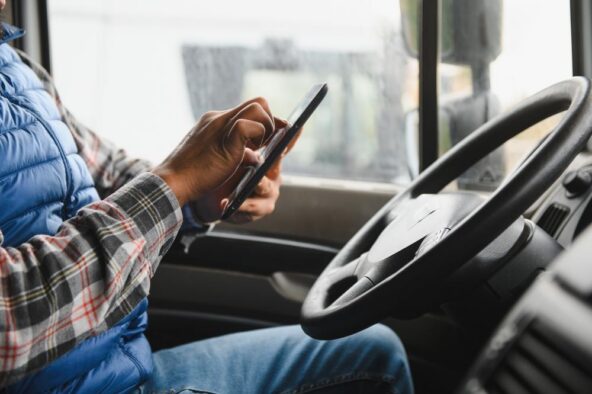
Tire marks can show where a vehicle stopped, and broken glass can help identify the impact. But a driver’s attention leaves no such physical trace. That is what makes distracted driving particularly difficult to investigate. A person may look at a phone or become distracted by a passenger without leaving any visible evidence. Police reports and witness statements may provide clues, but they rarely explain every detail.
Distracted driving accident lawyers often examine these records to determine whether the evidence supports an allegation. The real challenge is proving what happened inside the vehicle rather than simply explaining how the cars collided.
Distraction Often Leaves No Clear Physical Evidence
A broken headlight or a dented door can reveal where vehicles struck each other. Neither shows whether a driver was reading a message, checking directions, or reaching for food. Many distractions leave no record.
A driver who fails to brake might have been distracted, but other explanations are possible. Poor visibility, a mechanical problem, or a mistaken judgment can produce similar results. Unusual driving is not automatic proof of distraction. The scene may explain the collision without revealing the driver’s attention.
Drivers May Give Different Accounts of What Happened
Two drivers can remember the same collision in very different ways. One may say the other never looked up, while the other insists they were watching the road. A passenger might remember a phone ringing without knowing whether the driver touched it.
Each account has limits. Stress and a restricted view can affect what a witness recalls. A driver may also deny an embarrassing mistake. Investigators should compare statements with facts. Matching stories alone may not establish what occurred.
Phone Records Do Not Always Tell the Complete Story
Phone activity can appear to offer a simple answer. A call or text near the time of a crash might raise attention-grabbing questions. Yet records may not show who used the device or whether the driver looked at it.
Some activity may not appear in ordinary call or message records. Other distractions, such as adjusting music or talking to passengers, may leave no digital record at all. Access to private phone information also follows legal rules. Records still need to match the crash timeline.
Camera Footage and Witnesses May Have Limitations
Video can settle certain questions, but cameras do not see everything. A traffic camera might capture a vehicle crossing a lane while showing nothing inside the cabin. A nearby security camera may have a poor angle, low image quality, or a recording that starts too late.
Witnesses face similar limits. Someone standing on a sidewalk might notice a car drifting but be unable to see the driver’s hands or eyes. Even dashboard footage may show only the road ahead. These sources may not prove the suspected distraction. What they captured matters more than assumptions.
Proving Distraction Is Different From Proving It Caused the Crash
Suppose a driver checks a phone while approaching an intersection. That behavior may be unsafe, but investigators still need to determine whether it contributed to the collision. Another driver might have entered against a signal, or a road hazard might have affected the outcome.
Timing matters. A distraction that ended well before the crash may not explain the impact. Braking, speed, signals, and movements help explain events. Showing that a driver was distracted and showing that distraction caused harm are related questions, but they are not identical.
Missing Evidence Can Make Insurance Disputes More Difficult
An insurer may challenge an accusation if the police report is incomplete or recordings are unavailable. Small gaps can leave competing explanations unresolved. A missing recording may never be recovered, and a statement written much later may leave important details difficult to check. Helpful materials may include:
- Scene photographs: Show road conditions, vehicle positions, and nearby signs.
- Witness contacts: Allow investigators to ask what people personally observed.
- Available video: May help establish timing and vehicle movements.
- Police reports: Record observations and statements, although they may not answer every question.
Saving accurate records matters because footage can be overwritten and memories can fade. Still, collecting material does not guarantee it will establish distraction. Each item has limits.
Evidence Matters More Than Suspicion
A driver looking down may seem like an obvious explanation for a crash, but appearances can easily mislead. Phone records may be incomplete, witnesses may see only part of an event, and cameras may miss the driver’s actions entirely. The hardest question often concerns the link between attention and impact.
In distracted driving accidents, lawyers may examine the available evidence and disputed accounts, but no title or accusation replaces proof. A careful review asks what can be confirmed, what remains uncertain, and whether the facts support a connection between the suspected distraction and the accident.