There’s a certain kind of film that doesn’t just lean into action, but builds an entire emotional world inside it. My Dearest Assassin, arriving on Netflix May 7, is one of those stories. On the surface, it’s a high-stakes thriller about being hunted. Underneath it, it’s about connection, identity, and the fragile things people cling to when everything else is unstable.
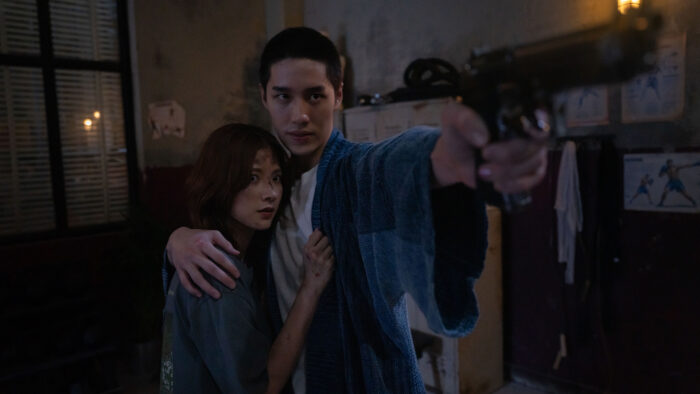
The story follows Lhan, a young girl whose life is defined by something she cannot control: a rare blood type that makes her a target. After a devastating loss in her early life, she is taken in by House 89, an underground assassin organization, where survival becomes the only constant. Within this world, she grows up surrounded by people trained to kill, yet still finds moments of family, loyalty, and unexpected closeness.
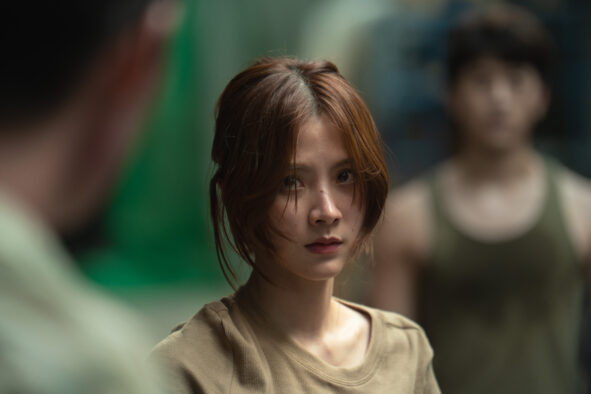
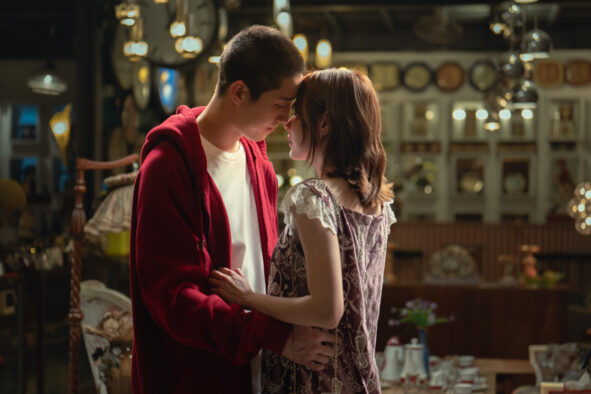
As she gets older, her bond with those around her deepens, especially with Pran, someone assigned to keep her safe. Their connection forms quietly over time, shaped by shared history and the dangerous world they live in. But nothing in Lhan’s life is ever truly safe for long. The past has a way of resurfacing, and what once felt like protection begins to blur into something more complicated.

What makes My Dearest Assassin stand out isn’t just its premise, but the tension it carries in every layer. It’s a story about being valued for the wrong reasons, about living under constant threat, and about trying to define yourself in a world that keeps pulling you in different directions. Even in its most intense moments, there’s an emotional softness running underneath, especially in the relationships that form in the middle of chaos.
The film balances action and intimacy in a way that keeps you grounded in its characters rather than just its spectacle. Every choice feels like it carries weight, every connection feels hard-won, and every moment of calm feels temporary.
My Dearest Assassin isn’t just about survival. It’s about what happens when survival stops being enough. And it’s one of those rare thrillers that stays with you not because of what it shows, but because of what it makes you feel.